Slew Bearings
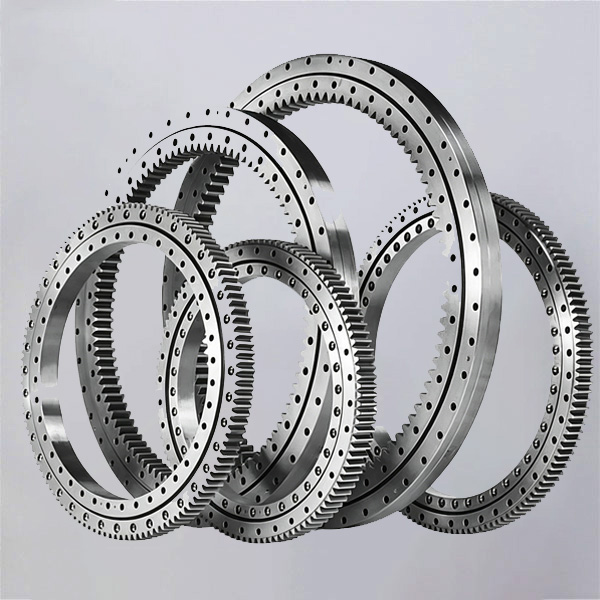
Slewing bearing is a fundamental mechanical component designed to support and enable rotation for machinery and structures. It delivers stable bearing capacity during rotary operation, reduces friction and wear, and ensures smooth and precise rotational movement.
A slewing bearing mainly consists of an inner ring and an outer ring: the inner ring is mounted on the fixed structure, while the outer ring is connected to the rotating part. Rolling elements such as steel balls and rollers, or sliding surfaces are arranged between the two rings to facilitate steady rotation.Widely adopted across multiple sectors, slewing bearings manufactured by BY Bearings (Luoyang BoYing Bearing Co., Ltd.) serve industrial machinery, construction engineering, transportation, new energy and other fields.
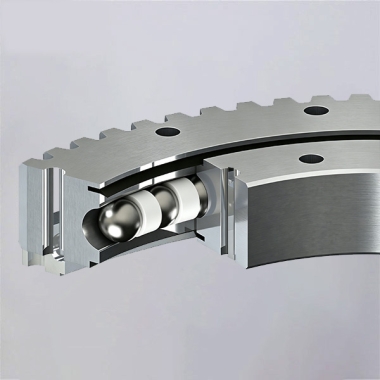
BY Bearings: custom 4-point contact slewing bearings for heavy load applications.
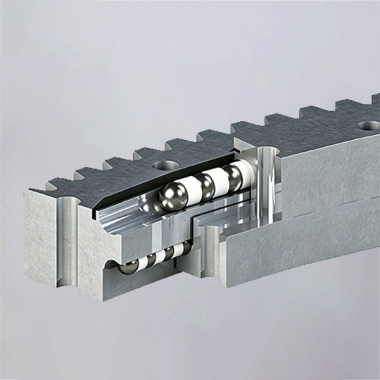
Double-row ball slewing bearings carry heavy loads. BY Bearings offers custom ones.
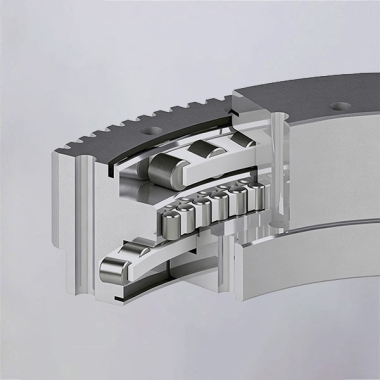
Three-row roller slewing bearing :structure, features, applications & custom solutions.
What Are Slewing Bearings?
A slewing bearing is a rotational rolling-element bearing or plain bearing that typically supports a heavy but slow-turning or oscillating load. Unlike standard bearings, they feature a large diameter and often include an integral gear on the inner or outer ring (or sometimes both). They are designed to accommodate axial, radial, and moment loads simultaneously, allowing a single assembly to replace a complex arrangement of traditional bearings.
At BYBearings, we don't just sell products; we provide comprehensive engineering solutions. As a professional Slewing Bearings supplier, we specialize in designing and manufacturing these high-capacity, heavy-duty components for demanding applications across numerous industries, ensuring reliable rotation and structural stability where it matters most
Key Features of a Slewing Bearing
What sets slewing bearings apart from standard bearings are their unique structural and performance characteristics:
High Load Capacity: Capable of withstanding immense axial, radial, and overturning moment loads.
Compact Design: Replaces multi-bearing assemblies, saving significant space and weight in machinery.
Integrated Gearing: Many models feature direct gear teeth, simplifying the drive train and reducing overall system costs.
Sealing and Protection: Built with robust seals to prevent the ingress of dust, debris, and moisture while retaining lubricants.
High Reliability: Engineered for long-term durability under extreme operational stress.
How Does a Slewing Bearing Work?
At its core, a slewing bearing consists of an inner ring, an outer ring, rolling elements (balls or cylindrical rollers), and spacers or cages. One ring is typically bolted to a fixed base (like the chassis of an excavator), while the other ring rotates relative to the first, supporting a moving superstructure (like the cab and boom).
When an external motor or drive pinion engages with the integrated gear teeth on the bearing ring, it forces the bearing to rotate smoothly. The rolling elements distribute the heavy operational loads evenly across the raceways, ensuring frictionless, stable rotation even under intense pressure.
Main Types of Slewing Bearings
Depending on the load requirements and application environment, slewing bearings are generally categorized into:
Single-Row Ball Slewing Bearings: Ideal for lightweight to medium-duty applications requiring high precision and moderate load capacities.
Double-Row Ball Slewing Bearings: Features two rows of balls, offering higher load ratings and excellent performance in medium-to-heavy load scenarios.
Crossed Roller Slewing Bearings: Cylindrical rollers are crossed at 90 degrees, providing extremely high rigidity and rotational accuracy. Ideal for precision machinery and robotics.
Three-Row Roller Slewing Bearings: Designed for the heaviest industrial applications, featuring separate raceways for axial, radial, and moment loads. Commonly used in heavy mining equipment and large harbor cranes.
Applications of Slewing Bearings
Because of their versatility and strength, slewing bearings are utilized across a wide array of heavy industries:
Construction Machinery: Excavators, truck cranes, and concrete pumps.
Renewable Energy: Wind turbines and solar tracking systems.
Material Handling: Harbor cranes, stackers, reclaimers, and rotary tables.
Industrial Manufacturing: Bottling machinery, metallurgical equipment, and welding positioners.
Marine and Offshore: Deck cranes and offshore platform positioning systems.
Common Issues & Maintenance Of Slewing Bearings
To prevent unexpected equipment downtime, regular inspection and maintenance are essential.
Maintenance Tips:
Lubrication: Establish a strict greasing schedule. Replenish grease regularly depending on the operating environment to flush out contaminants and maintain a protective film.
Bolt Torque Checks: High-tensile mounting bolts must be checked periodically to ensure they meet the recommended torque specifications, preventing fatigue and failure.
Seal Inspection: Inspect the rubber seals regularly for cracking, wear, or dislodgement to ensure dust and moisture stay out of the raceway.
Troubleshooting Common Issues:
Abnormal Noise or Vibration: Often caused by insufficient lubrication, raceway wear, or damaged rolling elements. Inspect the grease for metal particles and check the clearance.
Stiff Rotation: May indicate overloading, deformation of the mounting structure, or severe wear in the internal raceway.
Lube Leakage: If grease leaks past the seals, it may indicate damaged seals or over-pressurization during greasing. Replace seals promptly.
BYBearings: High-Precision & Customized Slewing Bearing Solutions
Finding the right slewing bearing for highly specific industrial machinery is critical. At Luoyang Boying Bearings (BYBearings), we specialize in high-precision slewing bearings reaching P2/P4 precision grades, offering single-row ball, crossed roller, and triple-row roller configurations. We provide versatile internal, external, and gearless designs, such as the 2105mm Rothe Erde series.
Constructed with premium 42CrMo or 50Mn steel, our bearings ensure exceptional load capacity and longevity. Whether you need reliable rotation for heavy-duty machinery, robotics, or medical equipment, we leverage our manufacturing expertise to deliver custom-engineered solutions to clients across over 100 countries.
Price & Inquiry Support
Need the right slewing bearing for your project? At BYBearings, the price of slewing bearings depends on size, material, and order volume. We offer factory-direct rates to keep your heavy-duty applications within budget without compromising on quality. Contact us today for expert technical advice, a free consultation, or a fast quote for your standard or custom bearing needs!
FAQs About Slewing Bearings
Q1: What is the difference between a slewing bearing and a standard slewing ring?
A: In casual industry conversation, the terms are often used interchangeably. However, a slewing bearing specifically refers to the assembly that includes raceways, rolling elements, and often integrated gear teeth, whereas a "slewing ring" is the structural steel ring component that forms the base of the bearing.
Q2: How often should I grease my slewing bearing?
A: Greasing frequency depends entirely on the operating environment. For standard indoor or light-duty applications, every 100 to 200 operating hours is recommended. For heavy-duty, dusty, or high-vibration environments (such as construction or mining), daily or weekly greasing is often necessary.
Q3: Can slewing bearings be repaired or reconditioned?
A: Yes, in many cases, lightly worn slewing bearings can be reconditioned. This process involves inspecting the raceways, replacing the rolling elements, and installing new seals. However, severe structural damage or heavy gear tooth wear usually requires complete replacement.
Q4: What causes premature failure in slewing bearings?
A: The most common causes of premature failure include inadequate lubrication, overloading, incorrect bolt torque during installation, and contamination by water or harsh chemicals penetrating damaged seals.
Q5: How do I choose the right slewing bearing for my application?
A: You must consider several factors, including the maximum axial load, radial load, overturning moment, required rotational speed, mounting space limitations, and environmental conditions (such as extreme temperatures or corrosive settings). Consulting with an experienced manufacturer like BY Bearings can help you select or custom-engineer the perfect match.
 +8618939019135
 sales@bybearings.com
 +8618939019135